
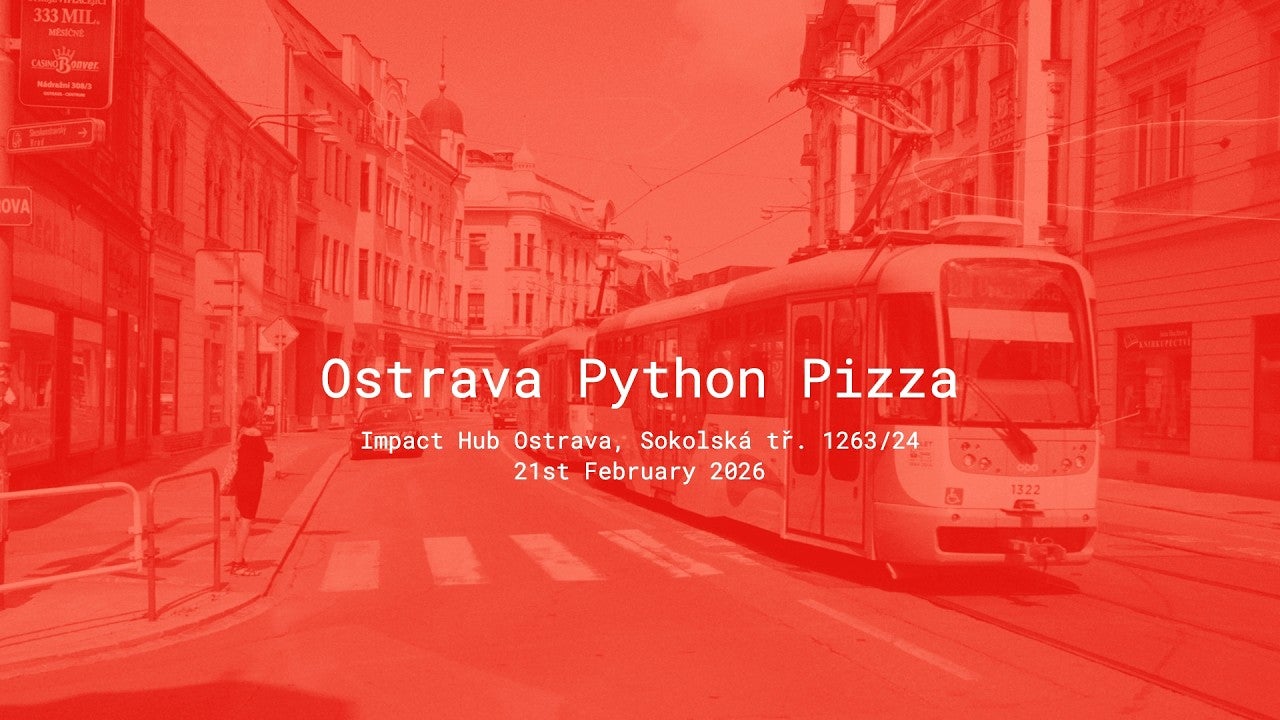
A short talk at Python Pizza Ostrava 2026 about the difference between pushing code to GitHub and publishing a repository other developers can actually reuse: the README, the community standards files, templates, and the small meta features that turn public code into open source.
Released: Sat Feb 21 2026
What the session covered
Public code is not open source yet. A repository becomes reusable when a stranger can find out what it does, install it, try it, and contribute without asking you first. This talk walked through the pieces that make that happen, drawn from years of building SDKs, starters, and integration packages.
- The README is 80% of the job: installation instructions, a screenshot, a getting started example, code samples, links to the detailed docs, contact information, and the license.
- Community standards: the Markdown meta files (contributing guide, code of conduct, security policy) that GitHub checks for and surfaces to visitors.
- GitHub meta files: issue and pull request templates that make useful reports the default.
- DEVELOPMENT.md and AI meta files: how to set up the project locally, and the instruction files that help AI coding agents work with the repository.
- Badges: small signals of build status, versions, and license that tell a visitor the project is alive.
The venue
Python Pizza Ostrava 2026, Saturday February 21, 2026 at Impact Hub Ostrava: a one-day community conference of short talks, run by the Czech Python community and streamed live.
Resources
- Slides (PDF)
- Full-day livestream on YouTube (the talk starts in the 12:48 slot)
- Open Source Guidelines Template
- opensource.guide
- GitHub docs: issue and pull request templates